
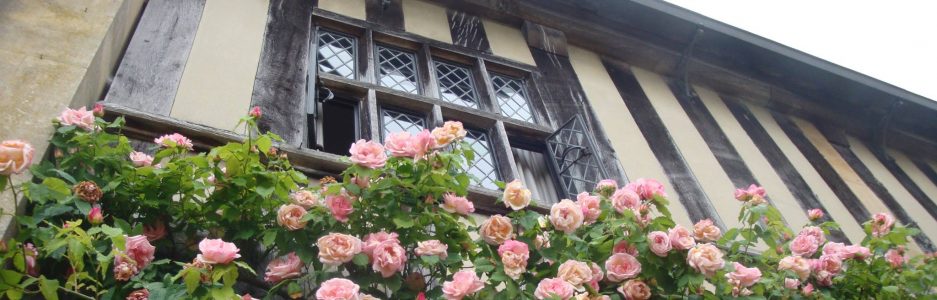
Oh, to be in England now that January’s there!
The correct line from Robert Browning’s famous, oft-quoted poem is actually, “Oh, to be in England now that April’s there.” Perhaps Mr Browning was more than happy to be far away from this part of the world during the dark, rainy months of winter, but for those of us for whom spending the winter in Italy is not an option the shorter days and colder temperatures do not stop us from enjoying many of the wonders that the U.K. has to offer. A large proportion of those wonders are all covered under the umbrella that is the National Trust.
The National Trust was founded in 1895 for the purpose of saving the heritage and open spaces of Britain. Since then they have grown to where they are today, the largest voluntary conservation organisation in Europe. Due to the efforts of the National Trust we are able to enjoy many of this nation’s treasures which might otherwise have been lost. One in ten of all the museums in England, Wales and Northern Ireland are looked after by the National Trust.
Here’s a little blurb from their official website explaining just what it is they do:
We protect historic houses, gardens, mills, coastline, forests, woods, fens, beaches, farmland, moorland, islands, archaeological remains, nature reserves, villages and pubs. Then we open them up for ever, for everyone.
Through the hard work of the National Trust volunteers the apple tree which inspired Sir Isaac Newton to discover the theory of gravity is still growing. Entire villages have been preserved, looking much today as they did centuries ago, allowing us a glimpse into how ordinary people lived and worked. Huge swathes of farmland have been preserved and saved from being built over with holiday cottages, and threatened species of wildlife and plants have been re-introduced and now thrive.
Many of us are familiar with National Trust properties without even realizing it, since the grand houses, villages, pubs and gardens which have been protected and preserved often show up as sets for the ever-popular British costume dramas. I have to confess to a certain fascination with the filming locations of some of my favourites such as Pride and Prejudice, Sense and Sensibility, and many others.
In addition, I have to say that the National Trust is probably the entertainment deal of the century. A couple’s annual membership cost is £69, which at the current rate of exchange equals approximately $114.00 U.S. dollars. With that membership my husband and I both have access to all National Trust properties for a year, including free parking, and they sent us a lovely gift of a pair of binoculars as a thank you for paying by direct debit. We also receive a beautiful quarterly magazine, and we have the satisfaction of knowing we are contributing toward a charity which has helped to preserve thousands of years’ of British history.
Compare that to a one day park hopper pass to Disneyland and the adjacent California Adventure Park in Anaheim, California. A one day hopper pass costs $137.00 U.S. dollars per adult, and if you want to park your car there you have to pay an additional $16.00 for the privilege. If my husband and I were to spend one day there the total for the two of us would come to $290.00 USD, which comes out to around £175. For one day!
And so during these dark and dreary winter months when the crowds flock to warmer climes, we are enjoying the opportunity to visit some of these National Trust treasures during the off season, which offers its own set of delights. The grand old houses and gardens are quieter without the busloads of sightseers crowding and jostling. We have the time to meander and wander at will, quietly absorbing the history and atmosphere, imagining all the lives that have been lived out before us. If it grows too cold we can pop into a tea house or pub and enjoy something warm to drink without having to stand in an interminable queue. We have the luxury of lingering which is seldom afforded during the hectic, bustling summer season.
Some of the National Trust sites we have enjoyed visiting, no matter what the weather, have been:
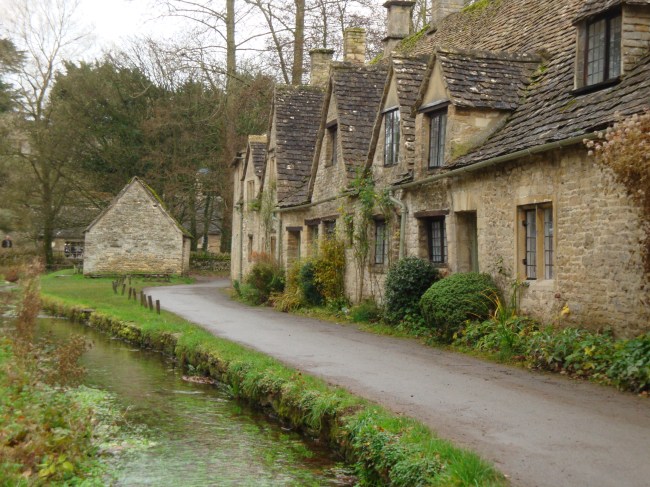
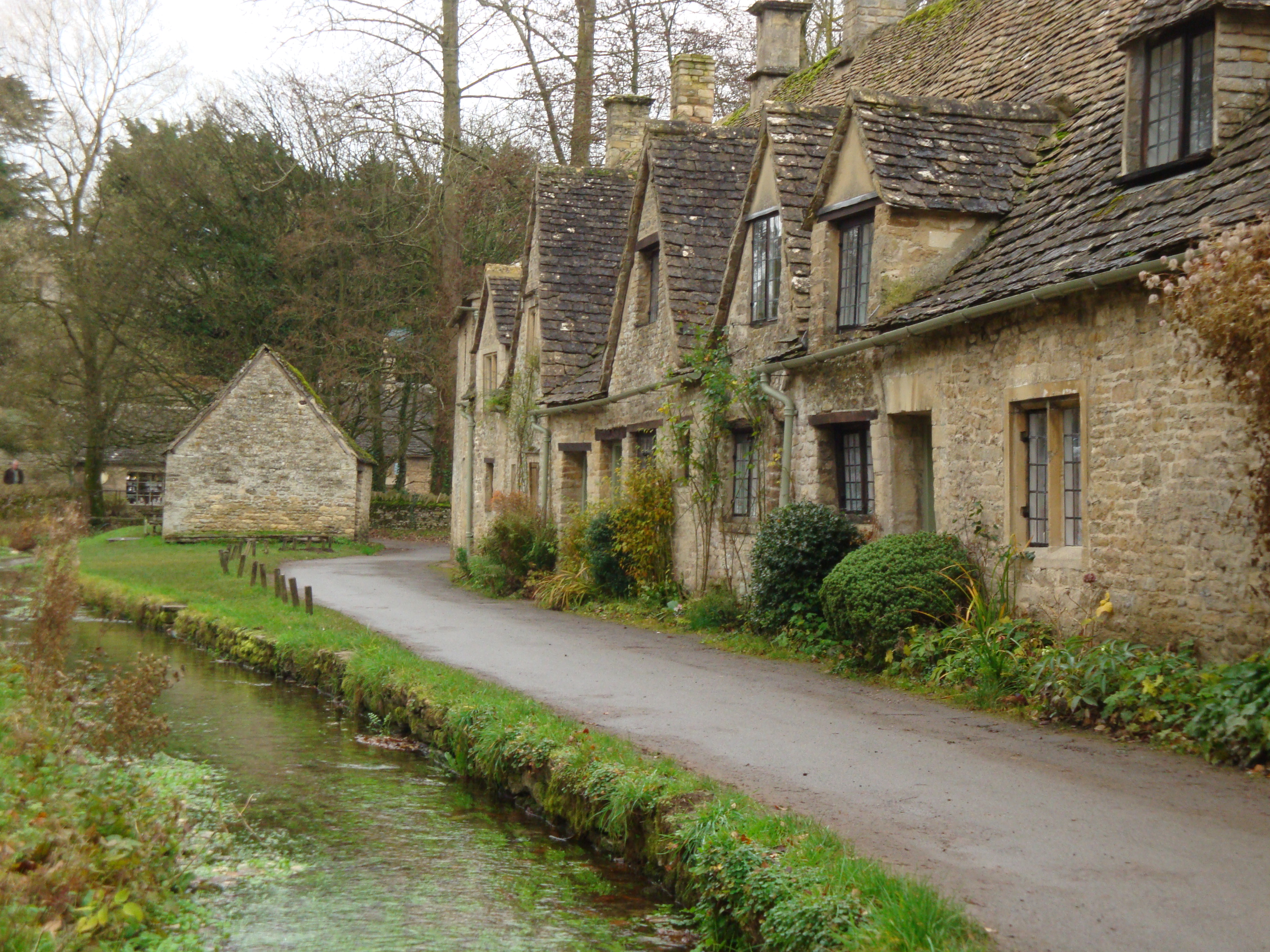
- Arlington Row in the beautiful Cotswold village of Bibury. This row of cottages was built in 1380 as a monastic wool storage and converted to weavers’ cottages in the 17th century. They are incredibly picturesque, and are probably the most photographed scene in all of the Cotswolds. The adjacent water meadow is a protected habitat for many species of water-loving plants and birds. The last time we were there my husband and I saw a kingfisher flitting along the river. It was a crisp winter day and the scent of wood smoke drifting from the cottage chimneys mingled with that of damp leaves and grass. We enjoyed an unhurried cream tea at the William Morris tea room and a quiet stroll through the village. A woman rode a white horse down the main road while a yellow Labrador gamboled at their heels. There was a peaceful, unhurried feeling entirely absent during the frenzied summer months
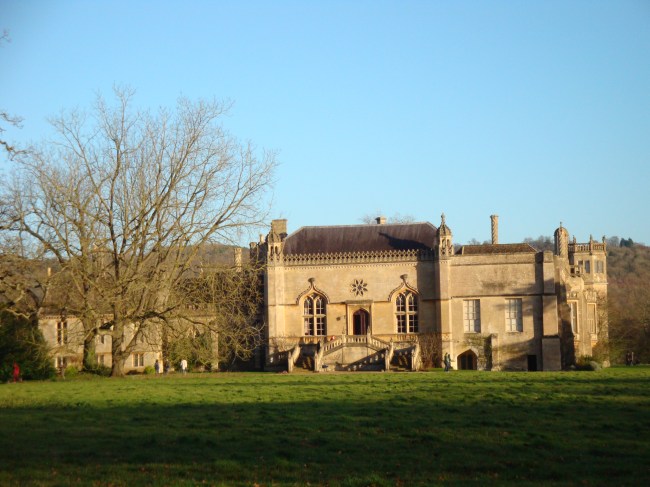
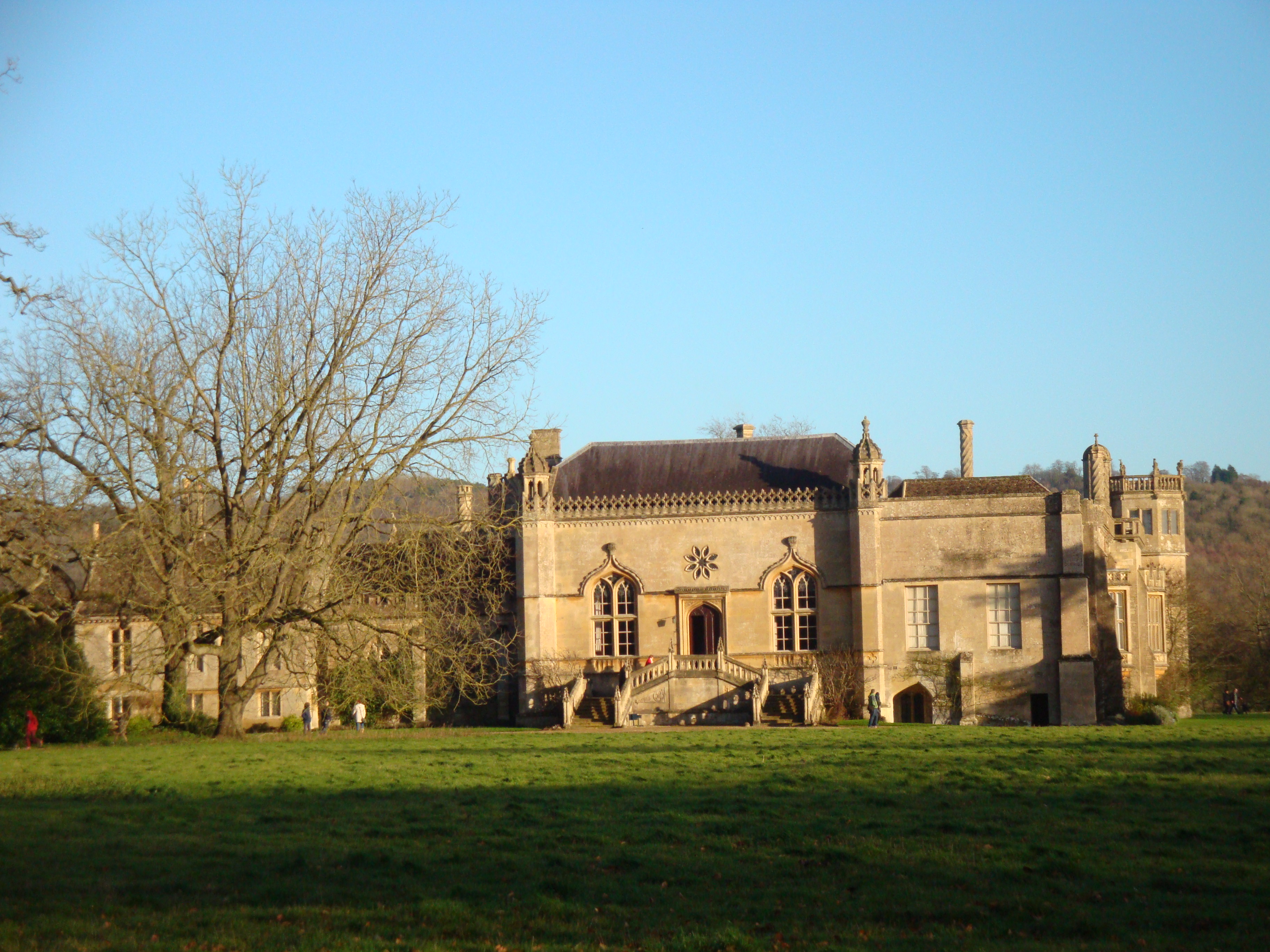
- Lacock Village, Lacock Abbey and the Fox Talbot Museum are very close to home and an easy jaunt when we want an afternoon out. Lacock Abbey was where William Henry Fox Talbot lived when he created the first ever photographic negative in 1835, taking a photograph of a multi-paned window in the house. The museum that bears his name chronicles the development of modern photography. As avid photographers we found this to be quite interesting, and the current exhibit of space and sky photographs in the upper gallery were truly awe-inspiring. After touring the Abbey, the cloisters and the museum we walked hand in hand through the village, also a frequent movie set. The village dates back to the 13th century and remains largely unchanged. Seated by the warm fire in the George pub on a chilly winter day is an experience not to be missed.
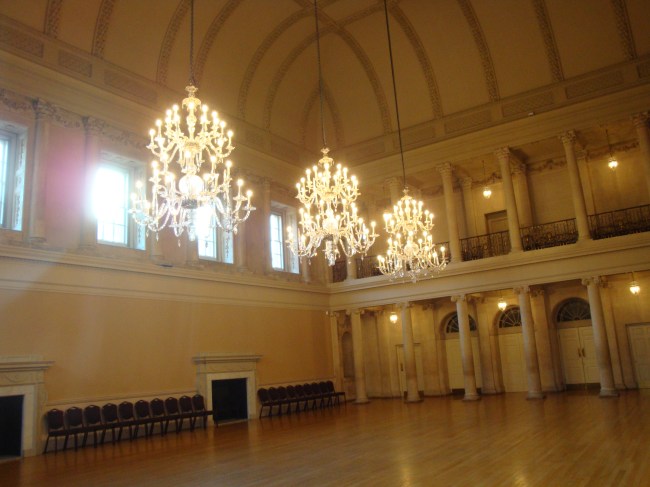
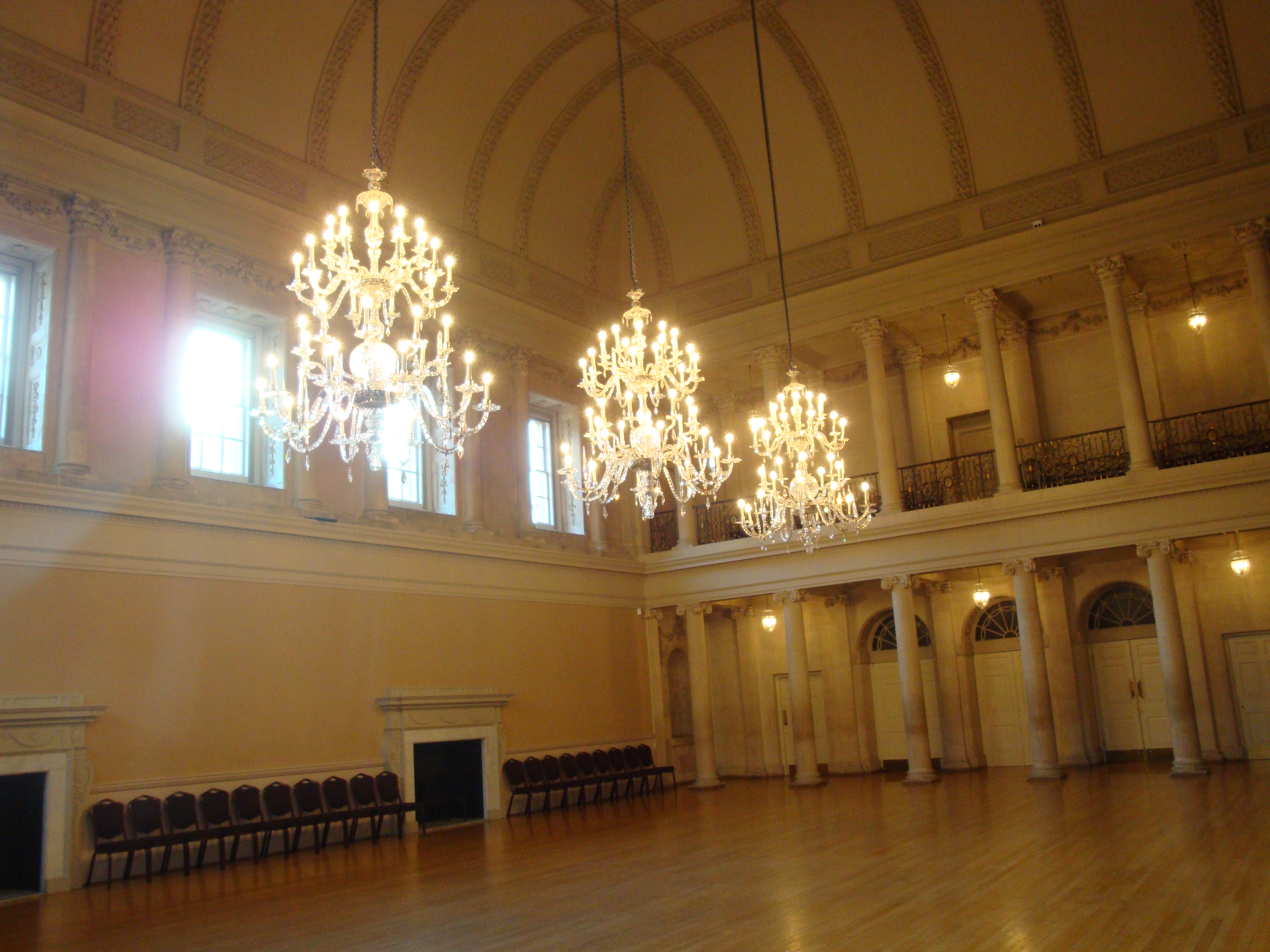
- The Assembly Rooms and the Fashion Museum in Bath are well worth a visit on a quiet, rainy January day. The rain doesn’t detract in the slightest from the magnificence of the original chandeliers hanging in rooms which were described in 1771 as ‘the most noble and elegant of any in the kingdom.’ It’s easy to stand in the middle of those vast, high-ceilinged rooms and imagine the dances and entertainments held there during the days of Jane Austen and Charles Dickens. In the Fashion Museum you can try on Victorian costumes, something which in the summer probably is rather difficult given the number of other people who will want to do the same thing.
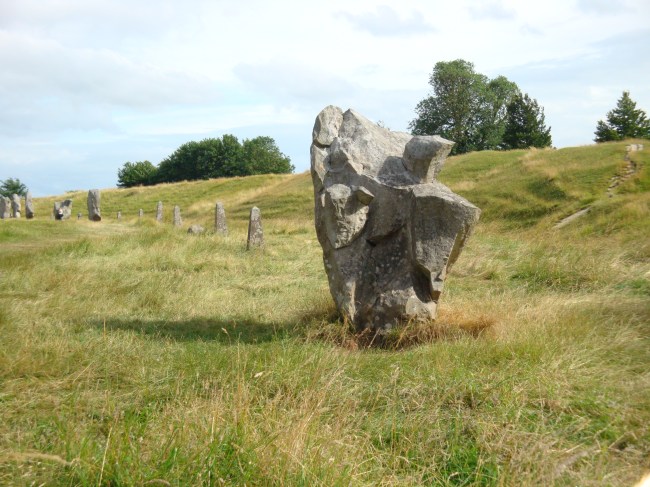
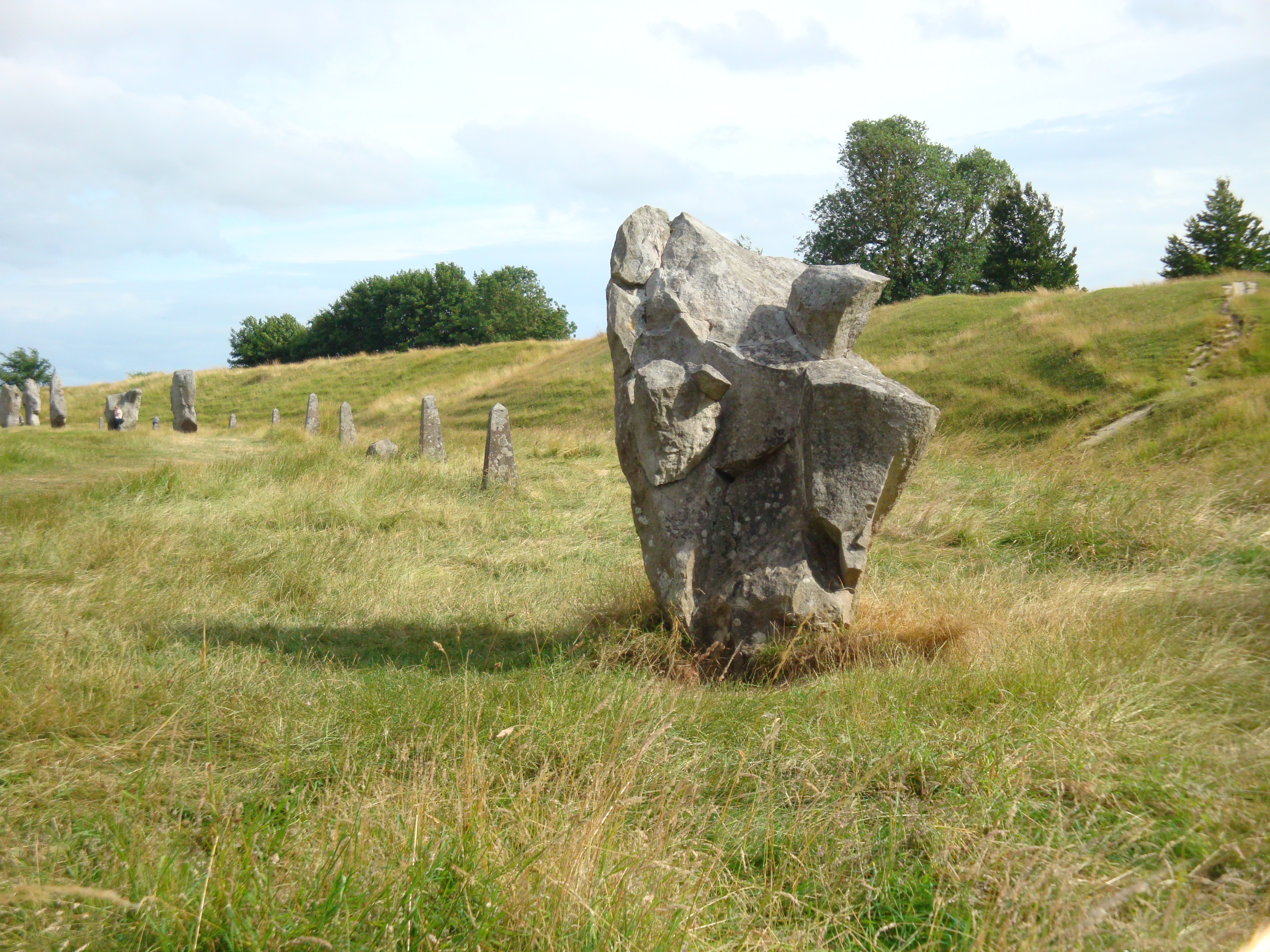
- Avebury. I’ve written about Avebury before, but it bears a second mention. Wandering around this monument is an experience that never grows old, equally dramatic in sunshine, rain and snow. The scenery is so incredible that even with the wind whipping you sideways you can scarcely draw your eyes away from the panorama. In the winter it could easily be just you and the sheep standing out in the wild elements, making it far easier to imagine life back in the age when the stones were first erected. And then when it gets too cold and wet you can return to the present day and go have a cup of tea in the café.
Yes, it’s a quieter, damper world at this time of year, but one just as full of history and atmosphere as ever. So please excuse me while I go brew a mug of tea and then settle down with my trusty National Trust Handbook to decide where we want to go next weekend.

 An American Wife in Wiltshire