
Shortly after I arrived to live here in the UK the fourth series of Downton Abbey began and with a hint of smugness I looked forward to watching the new season months before my American friends and family would be able to do so. It was with some lingering resentment and a great deal of curiosity that I sat down to watch that first episode on ITV, for it had been only a few months previously that I’d thrown down my knitting and stomped out of the room at the end of series three feeling seriously miffed. After they killed off two of my favourite characters, and the second one right in the last moments of the show, I declared myself to be over, done, finished. From that day forward Downton Abbey would be dead to me.
The months passed and as they say, time heals all wounds. I recovered from writer Julian Fellowes’ shocking dénouement and regained the proper perspective that these are, after all, merely fictional characters and not something to get myself in a dither about. Still, my curiosity got the best of me and I just had to know what was going to happen to these characters whose lives careen from one disaster to another.
Say what we will about the glaring anachronisms and injection of modern sensibilities Americans and British alike love to immerse ourselves in these lavish productions. Although they are at heart soap operas in corsets and stiff collars the presence of big-name actors at the top of their game tossing off bon mots with sublime timing keep us coming back for more. Lending authenticity to the sometimes outlandish and aggravating behaviour of the characters on the screen are the beautifully appointed grand houses where much of the action takes place.
Although the characters are fictional the houses where these programs are filmed are very real, and tourists are flocking in ever-increasing numbers to visit the filming locations throughout the UK that they have grown to know and love. Visitors to Highclere Castle, the real Downton Abbey, have trebled since the show began, infusing some desperately needed revenue into the strained coffers of the 8th Earl of Carnarvon. Similarly, Cornwall is bracing for a tourism boom as a result of the Poldark effect coming on the heels of the oh-so dishy series that just finished on BBC1. (Stay tuned, series 2 is coming!)
Recently Mr. H and I put our Historic Houses Association membership to good use and visited some of the properties used in the filming of these addictive period romps.
***
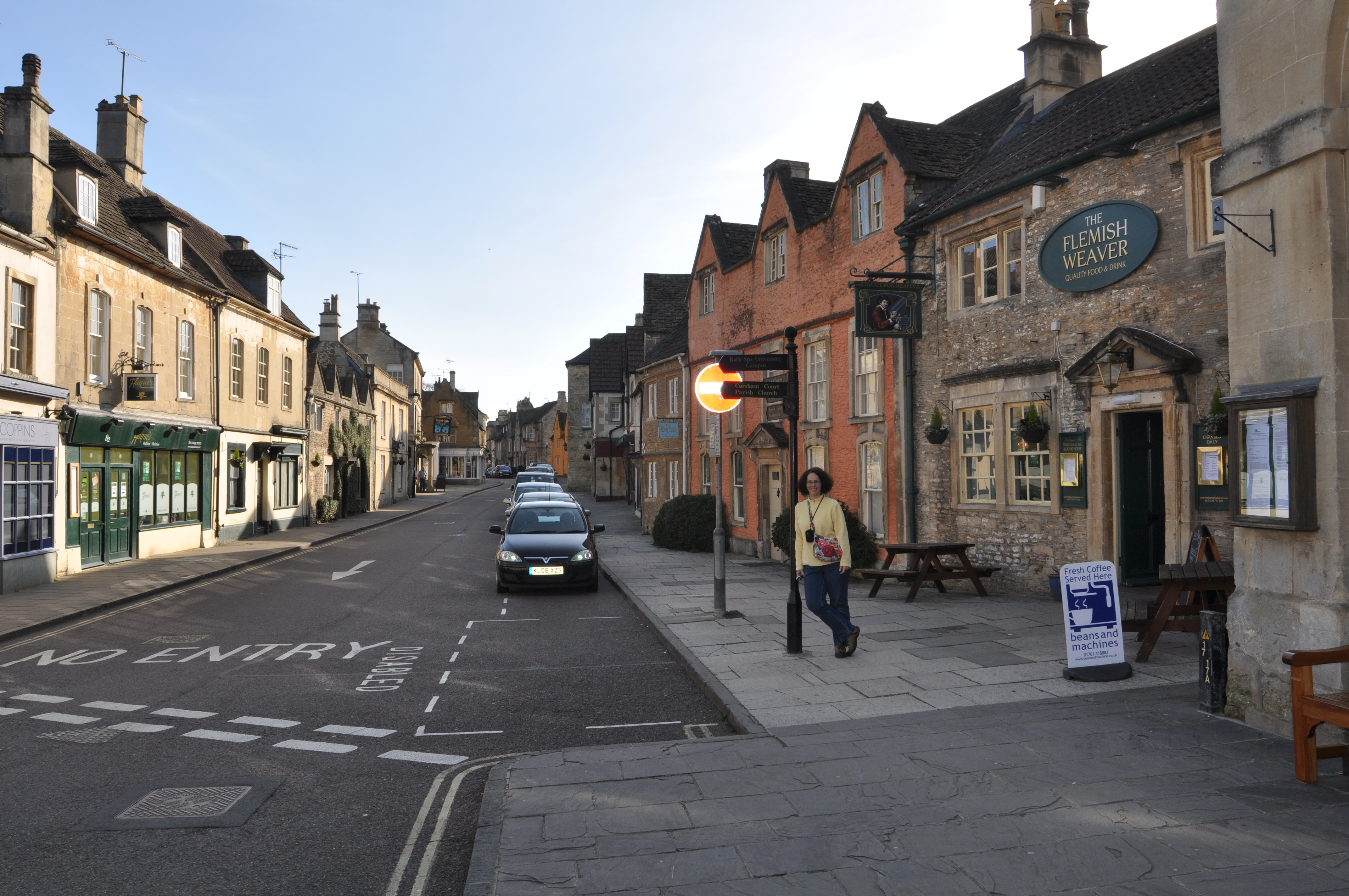
First up was nearby Corsham, the ancient market town here in Wiltshire that stands in for Poldark’s Truro. The 8-episode series had barely begun broadcasting when we visited one afternoon in March, but already Corsham was cashing in on their association by knocking together a Poldark photographic exhibit in the town hall, right next to the Psychic Fayre which was earnestly sign-boarded throughout the town. I’m sure it came as no surprise to the psychics when we skipped both attractions and opted instead to wander quietly along the streets which look very much as they do on TV.
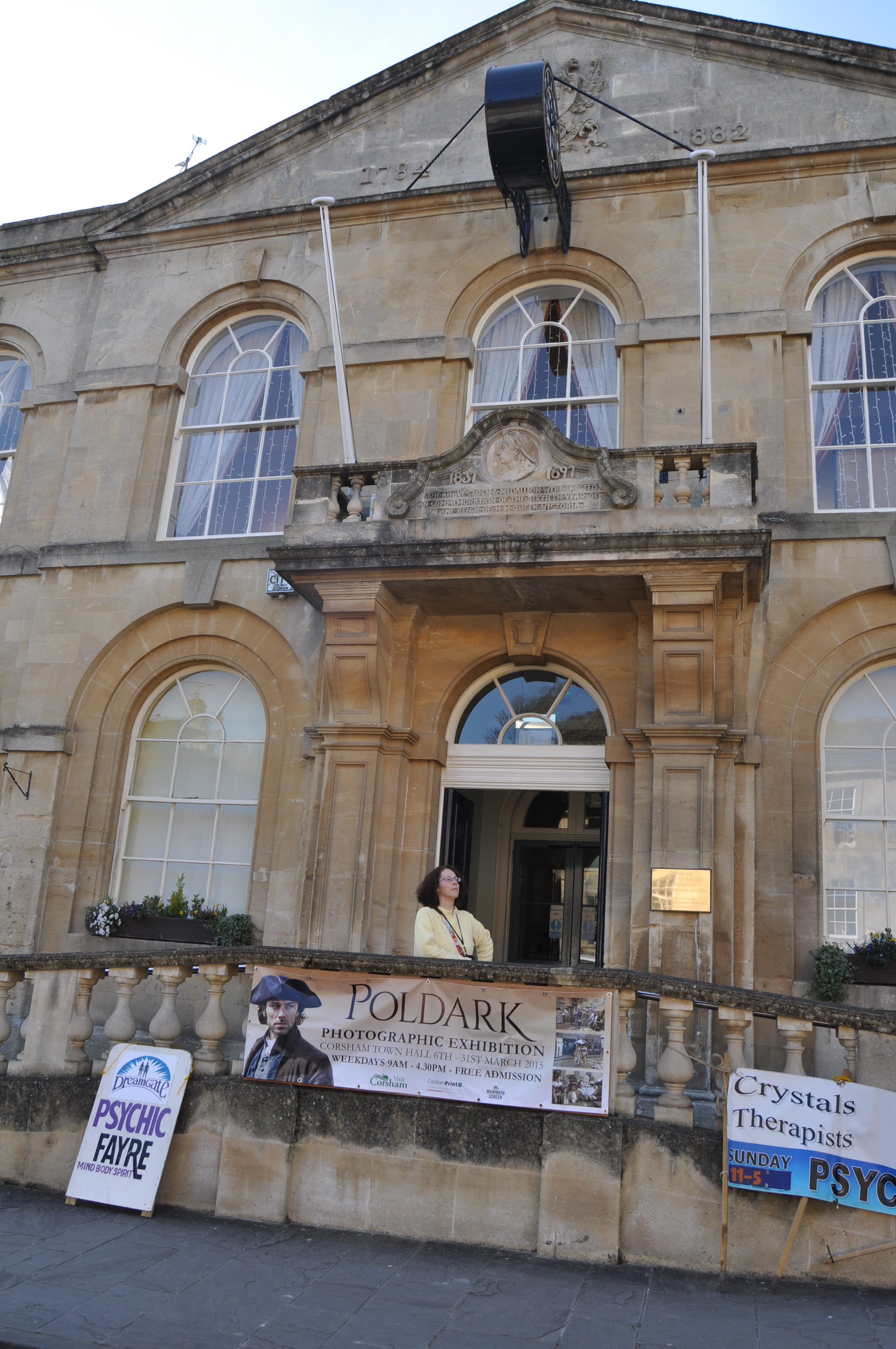
Corsham is a pretty town. Its prosperity grew from the wool industry and the quarrying of the famous golden Bath stone. Old weavers cottages, 17th century Flemish buildings and the imposing Corsham Court with its museum-worthy art collection are all worth a visit. In the summer flower boxes and hanging baskets line the streets, overflowing with a profusion of brilliant colour, and regal peacocks wander freely. The old and the new mingle comfortably here, and on a sunny day you can sit at an outdoor table sipping a cappuccino or licking an ice cream cone and ponder all the people who have walked down these streets through the centuries.
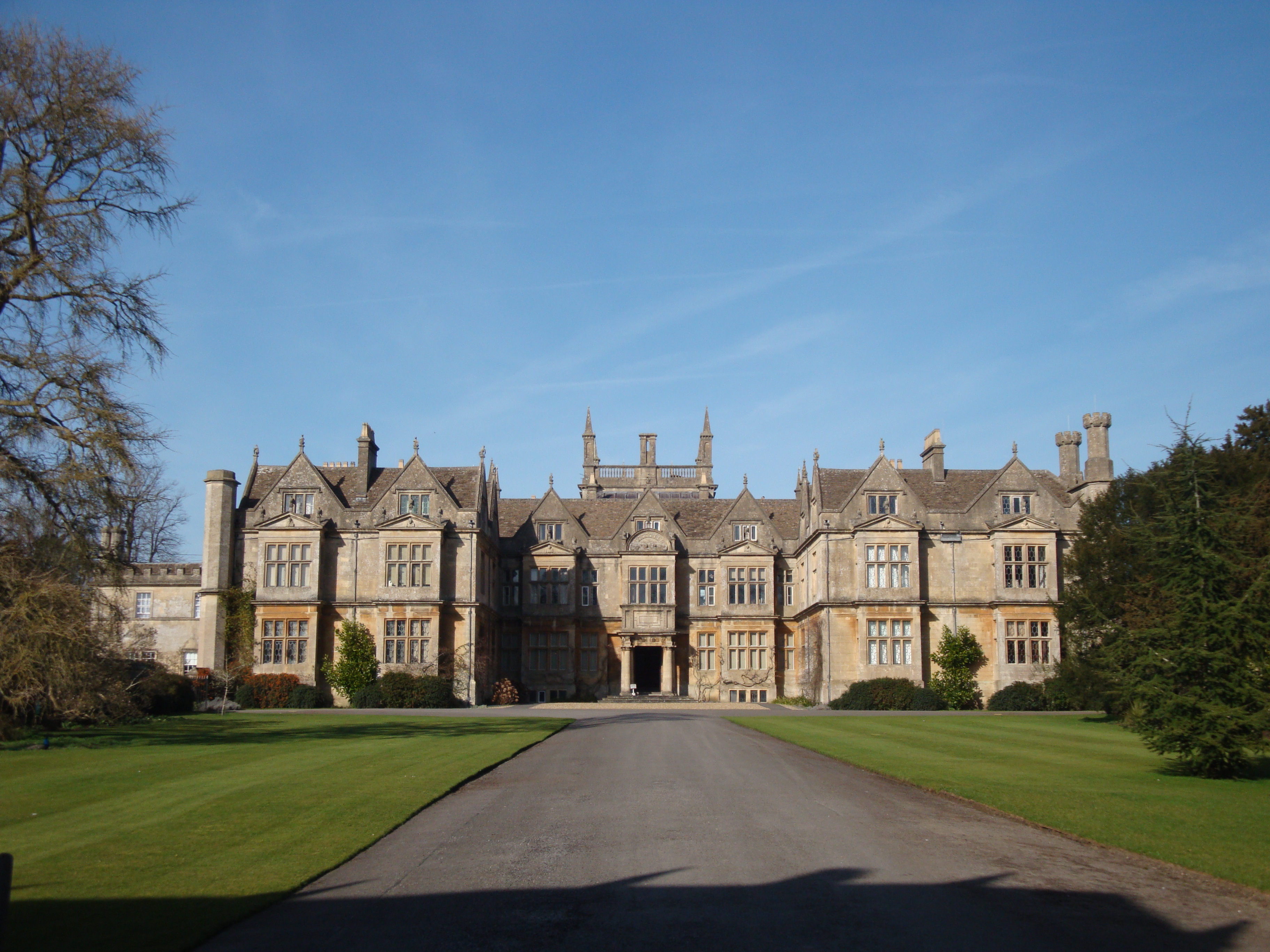
And maybe if you wait around long enough you can get a part as an extra when they film series 2 there.
***
Our second stop on this filming location tour was Chavenage House. A few viewers might recognize Chavenage from previous film appearances, such as in The Mysterious Affair at Styles and Lark Rise to Candleford, but its most recent claim to fame is as the stand-in for Trenwith, the old family home of Ross Poldark’s uncle.
No matter how busy Ross Poldark is, whether it be scything the long grass without his shirt on or hauling rocks at Wheal Leisure Mine without his shirt on, he is always willing to throw his shirt back on, jump on his horse and gallop along the dramatic coastline of Cornwall to pay an impromptu but urgent visit to Trenwith. Several times in each episode we are treated to the spectacle of Ross astride his mighty black steed, galloping his brooding heart out, and moments later he turns into the gates at Chavenage House, a beautiful old mansion outside of Tetbury in Gloustershire.
The fact that this is such a quick, easy journey is clear evidence that in Ross Poldark’s day traffic on the M5 was not nearly as congested as it is today.
Even without the lustre of TV fame, Chavenage House is a unique and interesting house to visit. Three generations of the same family live and work there, manning the ticket sales and conducting the tours through their home as if they are merely entertaining weekend visitors. Of all the properties we have visited, Mr. H and I both agreed that this was the house that felt the homiest.
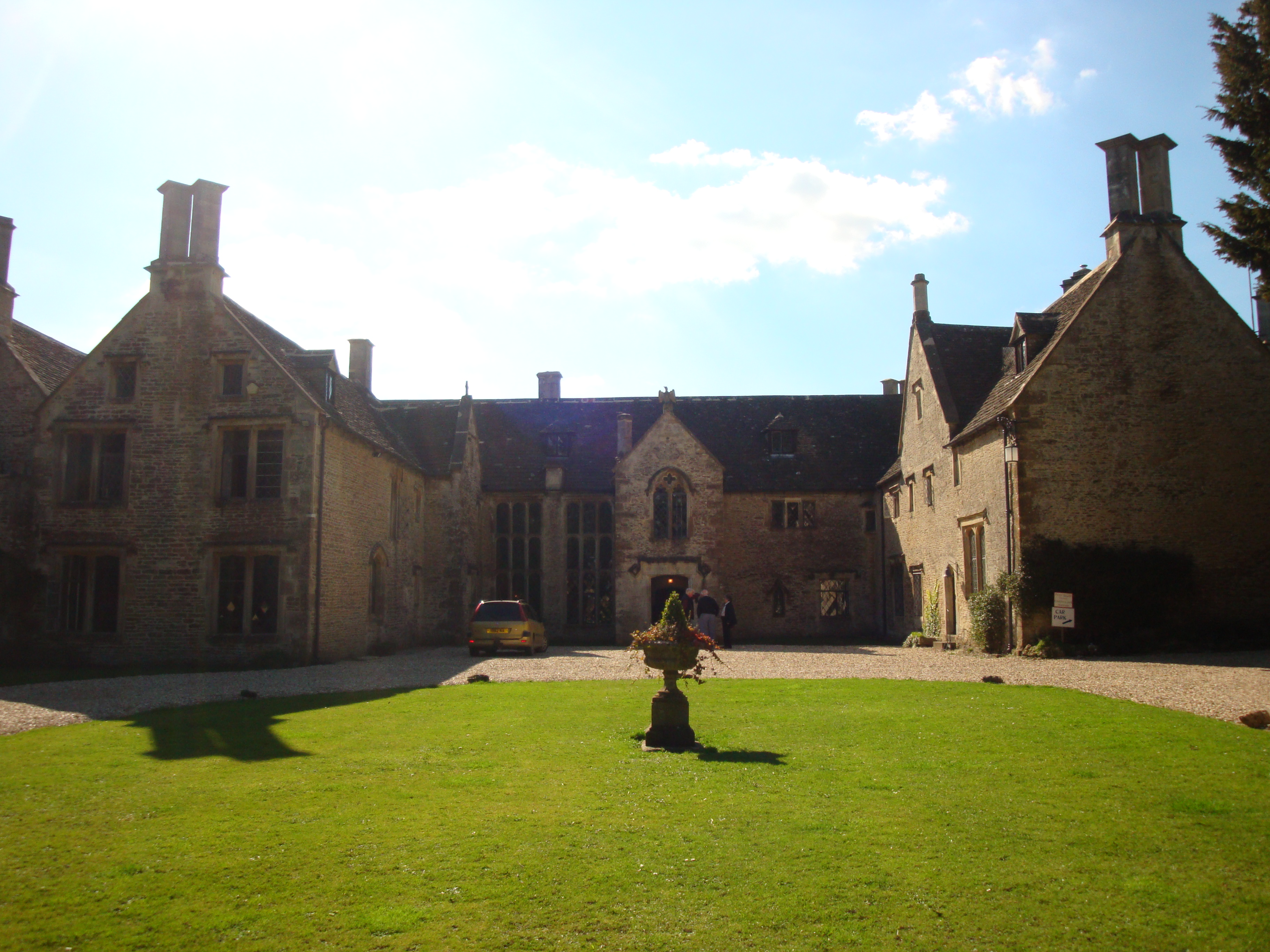
While we stood in the entrance hall waiting to be directed to where we would join the next tour a small dark terrier bustled in the front door and trotted through the room. He was obviously late for a very important business meeting and had mislaid his car keys. Time was of the essence and he had none to spare for us tourists.
Later, our group stood in a cosy ground floor room furnished with comfortable sofas where the cushions still bore the imprint of recent use. While one of the daughters of the house was giving us the last little talk about what it was like growing up in such surroundings one of her two spaniels leaned up against my leg and suggested that a little scratch behind the ears would not be amiss. The other spaniel yawned mightily and indicated that it was five o’clock and time for us all to go so she could retrieve her bone from outside and get back up on the furniture.
The family members gave us fascinating insight into their lives and those of their predecessors in a friendly and engaging fashion. In the upstairs tapestry- lined bedroom we learned about Oliver Cromwell’s visit when he was trying to win support for the execution of Charles I. Downstairs we heard the story of the original architectural drawings for the Windsor Castle interiors which were found in the attic, the subsequent sale of which rescued the family fortunes and made possible some much-needed repairs. Such serendipity would stretch the bounds of credulity if it happened in a novel, but here it’s part of their history, and they tell the story as, “Granddad had no idea what they might be worth…”
It was a truly enjoyable and fascinating visit. As we strolled back to our car at the end of the afternoon we passed a child’s swing hanging from the branch of a tree. Nearby some chickens scratched in the dirt at the edge of the lawn. A Labrador inhaled deeply in a flower bed. It was peaceful and quiet, and I could imagine the family settling down with heavy sighs as the last of our cars turned out of the drive. Their weekend of busking was completed and for the next week their house would be their own again.
***
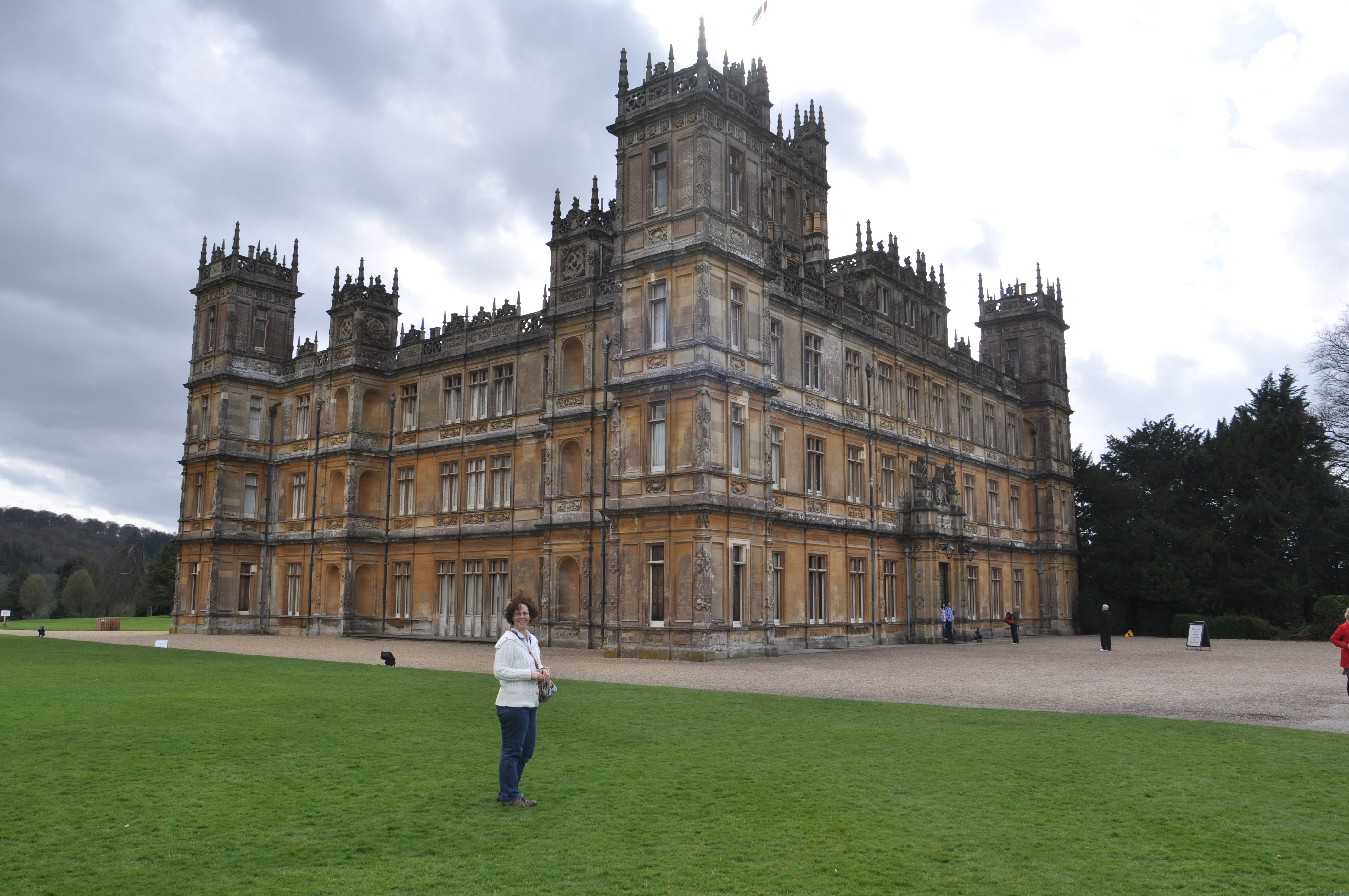
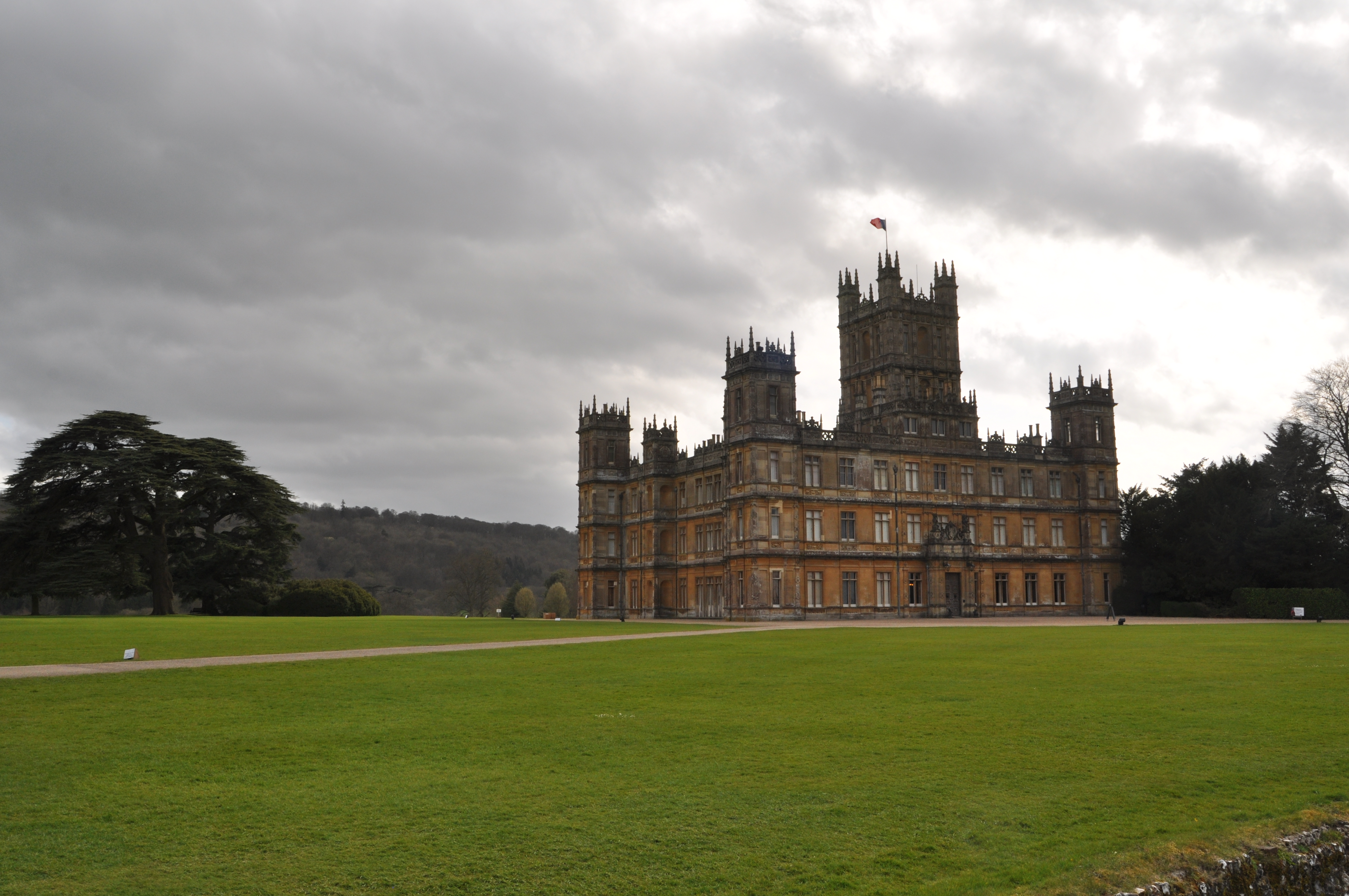
Last up was Downton Abbey – oops! – Highclere Castle.
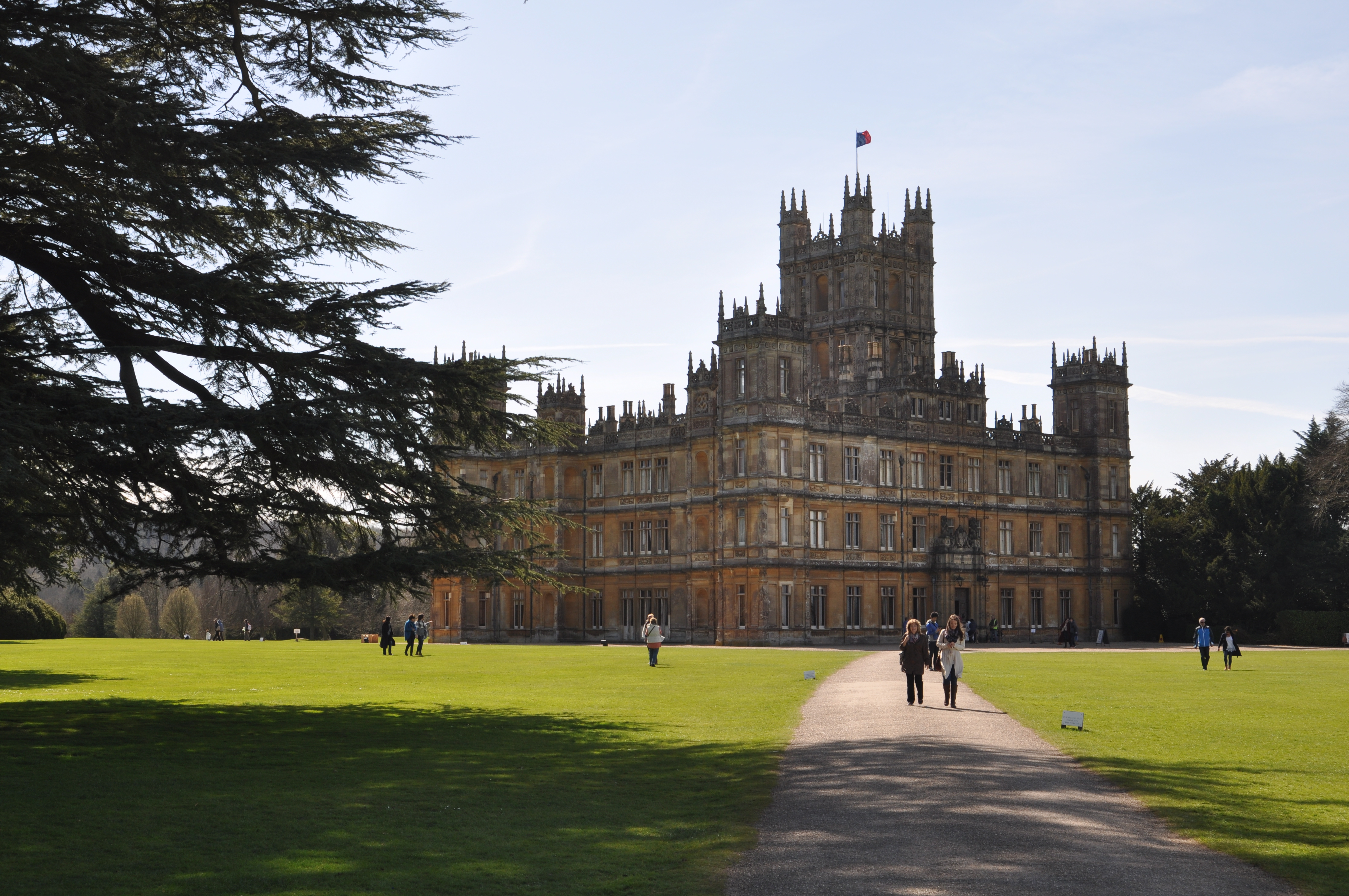
Highclere Castle rises square and solid at the brow of a hill with a long sweeping drive leading up to its imposing entrance. Those familiar with the approach from watching Downton Abbey will not be disappointed, as indeed I was not on our visit.
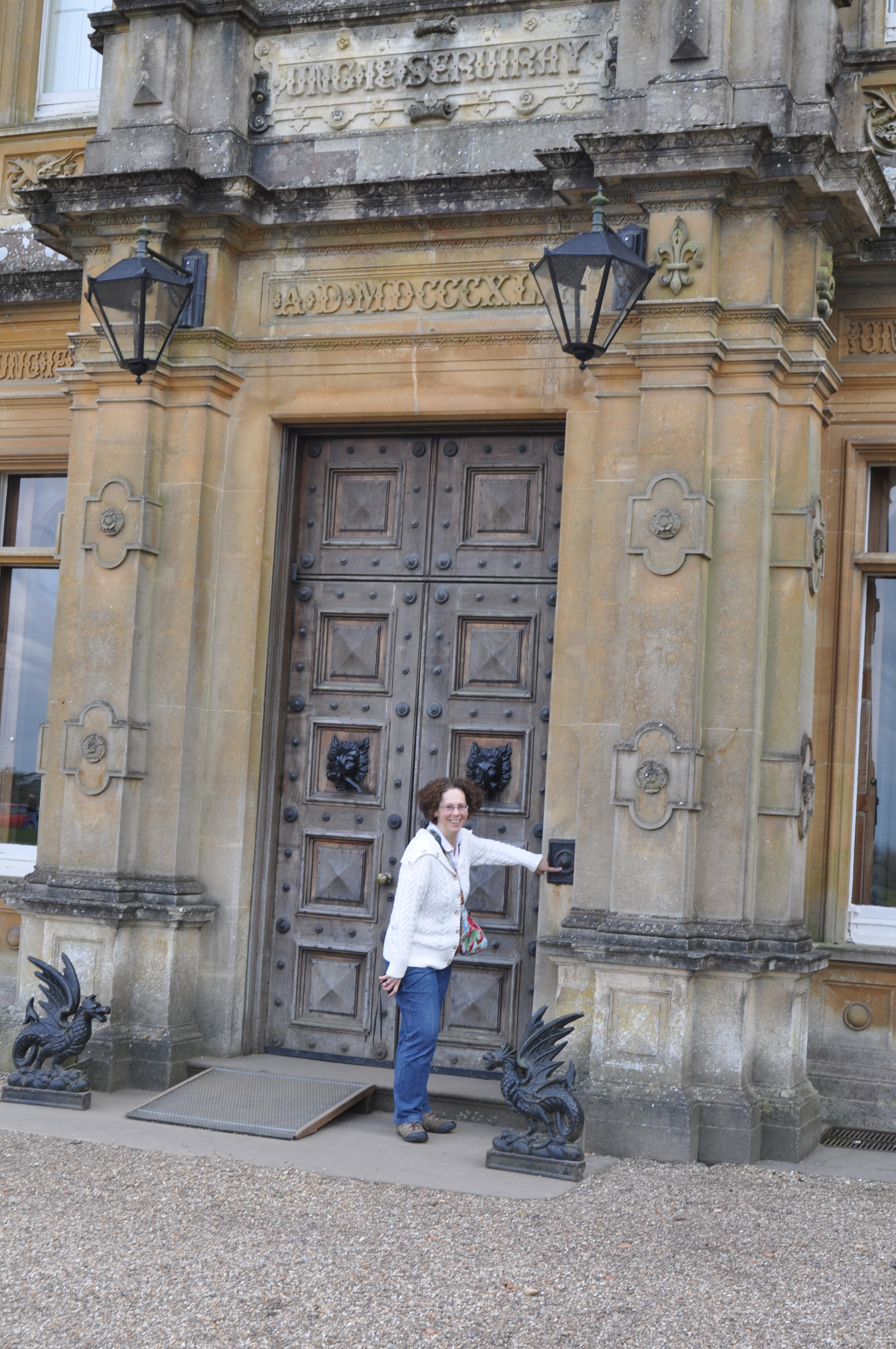
Walking through the front door is like stepping onto the set, and it was a surprise to me that the house really does look exactly like it appears on the TV show. Those are not set dressings or studio props you see on the screen. The furniture, paintings, book-lined walls are all there, part of the furniture, part of the real home of the Earl and Countess of Carnarvon.
Once through the imposing front doors we stepped into the columned entrance hall where a staff member stood by to sell guide books and answer questions. From there, guide book in hand, we were able to wander at will through all the open rooms. Guides were stationed throughout to answer questions, 90% of which I discovered are Downton-related rather than having anything to do with the actual real history of the house.
As far as the real history goes they do have their fair share of it, what with the 5th Earl’s connection with the King Tut excavation and the various ways it was used in wartime. In fact, in this case fiction seems to have borrowed from fact, for the house was used as a military hospital for officers during the Great War.
I must confess that I was shamelessly enthralled by the rooms because they all looked so familiar. In the library I was awed by the 5,650 (or thereabouts) volumes that lined the walls, but I also nudged my husband and said, “Those are the same couches the Granthams always sit on in the show!” They are big red things with high backs, and the corseted women sit upright and sip their cups of tea or their delicate glasses of sherry right there, on those very pieces of furniture!
As we strolled and gaped our way through the house, taking in the gilt, the fine paintings, the soaring ceilings and dark panelling I couldn’t help but notice the American accents drifting my way. I believe I heard more American being spoken that one afternoon at Highclere than I have the entire time I’ve lived here. It was like old home week. I controlled myself and managed to refrain from trying on a fake British accent and pretending I was a local. It would have embarrassed Mr. H no end.
Actually he probably would have just laughed and said, “That was really good. Now do your British accent.”
Upstairs we were tickled by glimpses through the bedrooms, beyond the roped off areas, where we saw bath towels obviously drying on a towel rack in an adjoining bath. Had people actually slept in those rooms the night before, then been told to shove their personal belongings out of sight and go out to lunch while the rabble wandered through? Tucked away in a corner of the gallery was a modern, well, actually kind of outdated looking hi-fi system. Had they been blasting the halls with some funky music the night before and getting down on it? I’d like to think so.
Each of the open bedrooms had a small placard discreetly telling us which Downton character slept in that room. I was fascinated by the dark red bedroom where the notorious Mr. Pamuk had to be returned to after his scandalous end.
As we leaned over the balustrade of the upstairs gallery, looking down on the saloon and up at the soaring 50’ ceiling, we had our one and only celebrity sighting of the day, for there below us, dressed in red, was Lady Carnarvon herself. She appeared to be chatting and saying farewell to some visitors, accompanying them to the front door and seeing them off like any good hostess. When she returned she walked through the saloon and past the velvet barriers as if she owned the place, which of course she does. We were impressed by how she spoke to one of the staff members in a friendly way and seemed very comfortable and casual in spite of all the tourists nudging and whispering and pointing surreptitiously at her. I don’t think even Lady Cora could have carried it off with any more ease.
Together Mr. H and I swept down the grand oak staircase and completed our tour of the downstairs rooms. As all visits to great houses must do, ours ended in the tea shop for a good strong cuppa and then a stroll through the gift shop where we raised our eyebrows at the price of the tea set they had for sale and swiftly took ourselves away to wander through the grounds and try to take selfies that didn’t have other couples taking selfies in the background.
It was a delightful day, and it thoroughly sated my Downton-loving heart. Now I can eagerly look forward to watching series 6 and saying, “Look, they’re in the library! Look, that’s where we stood, that’s the view we saw.”


 An American Wife in Wiltshire
Great, as always!
Thank you, Sherry. Have you decided what out-of-London sight you’re going to visit the next time you come over?
Wonderful read! Thank you for sharing your excursions so we could enjoy them vicariously.
As I also enjoy yours, Vicki.
I wanted to tell you how much I enjoyed your blog – We Were Happy Here – written on May 30, 2014. I just came across it last night (July 22, 2015) while searching the internet to see if I was the only one who thought that gorgeous Cornwall, which I’ve come to know through the Poldark series on PBS, was somewhat similar to coastal Oregon. I am delighted to learn that I’m not alone! I left a longer version of this comment on that blog site.
A day later, I found this blog on period dramas and loved it, too! You’re so fortunate to live where they film Downton Abbey, Poldark and other period dramas! I must say, your vacation in Cornwall seems to have taken you to some places that were used in the filming of Poldark; many of your photos immediately looked familiar. Here in the ‘States, everyone who watches Poldark on PBS has been going on about how lovely the Cornwall coast is.
Getting back to Oregon, I hope to retire to Oregon’s coast in the not-too-distant future, probably in Newport, but I’m considering smaller places like Yachats and Port Orford, too. As you said about Oregon’s coast, “…lonely and rugged and incredibly, achingly beautiful.” That about sums it up…and it’s exactly what I’m looking for.
I’m so glad you found Cornwall after having experienced life on Oregon’s coast. It must have been difficult to leave Waldport, but now you know where to go to bring it back. I think you have exactly the right attitude to make such a change, and to make the most of your new home – keeping an open mind and a keen eye out for new “compensatory” places that can step in for the ones you left behind.
So, I would say that you’re making the most of your journey, and a wonderful journey it seems to be, too. You’ve found much to love in your new home, and I sincerely hope you have many great adventures ahead.
Wishing you all the best!