All Hail the “Conkering” Hero

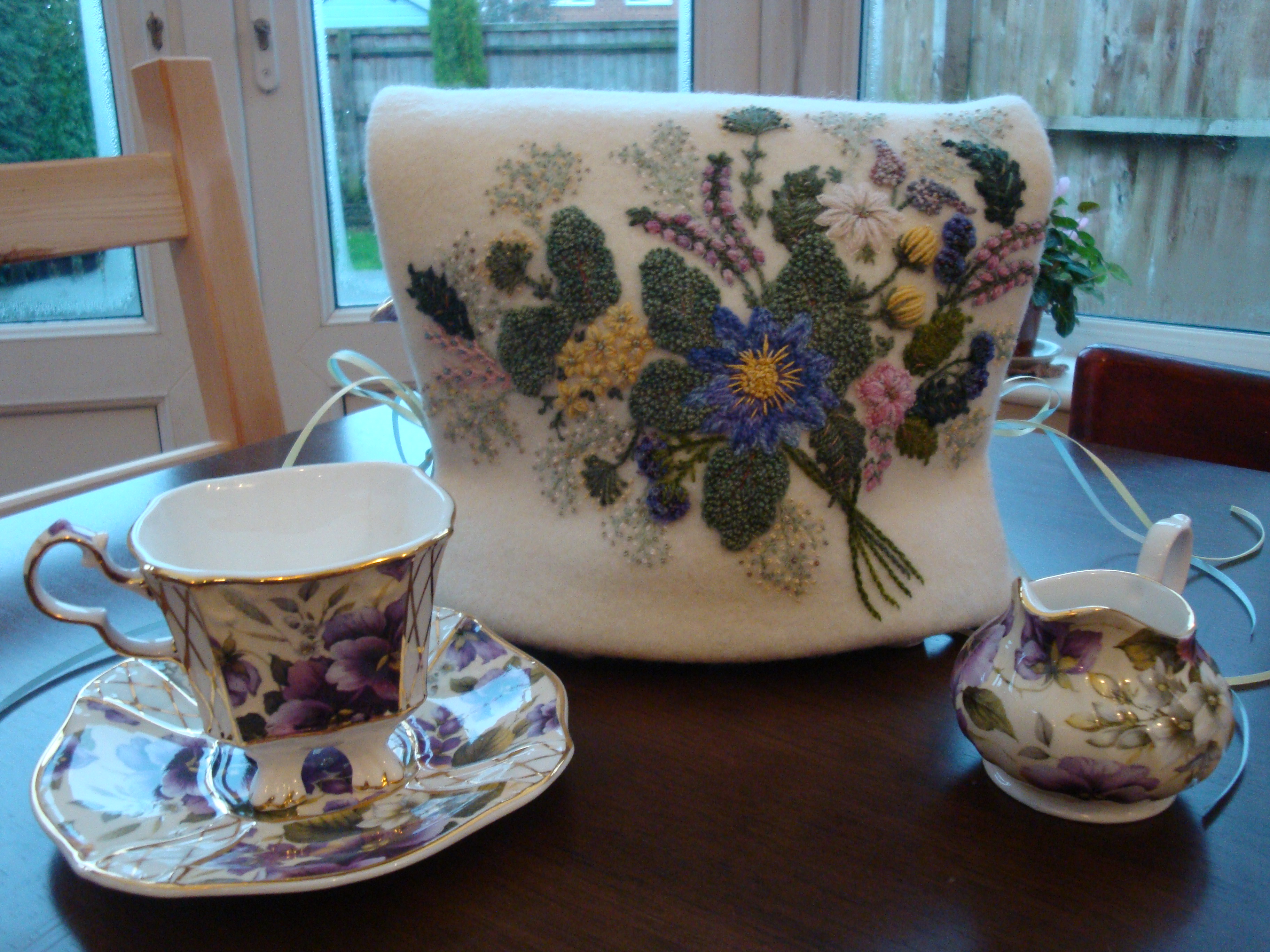
DSC03685

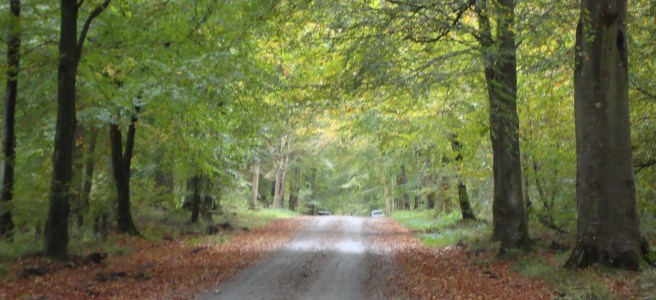
Keats is famous for calling autumn the season of “mists and mellow fruitfulness”, and that certainly is an apt description of autumn in the UK. The days grow shorter, the nights colder, and each morning it seems to take just a little bit longer for the rising sun to warm the countryside and burn off the morning fog that weaves its way like a ribbon along the base of the nearby hills. The trees are beginning to glow with their glorious gold and russet, and the old stone houses that are covered with ivy flame with scarlet. Continue reading

We Were Happy Here

 Missing8

“Maybe you had to leave in order to miss a place; maybe you had to travel to realize how beloved your starting point was.”  ~          Jodi Picoult

People will sometimes ask me what I miss from home. I can easily rattle off a list: my family and friends; Starbucks with drive-up windows; giant watermelons by the truckload in every grocery store during the summer; 4th of July parades and bonfires on the beach; really good Mexican food; wide roads; orchards and vineyards that stretch for miles; tall, snow-capped mountains rising dramatically out of untamed wilderness; the Oregon coast. Continue reading

On Songbird’s Wings

DSC01195

The fog comes

on little cat feet.


It sits looking

over harbour and city

on silent haunches

and then moves on.

–          Carl Sandberg


Those lines by Carl Sandberg captured my imagination from the first moment I read them. I was still just a child and was curled up in a corner of the couch with the big, blue Arbuthnot Anthology of Children’s Literature spread open on my lap, thumbing through the tissue-paper thin pages. The imagery of fog creeping into a city on cat’s paws delighted me, for I have always loved a well-turned phrase and the evocative beauty of language. Continue reading

Be It Ever So Humble

There’ll always be an England

While there’s a country lane,

Wherever there’s a cottage small

Beside a field of grain –


“There’ll always be an England” (1939 song)


It’s been a quiet day here in my corner of Wiltshire, and now it is evening and I’m trying to come up with a topic for this week’s blog. I’m also baking cookies, so I can only write for ten-minute intervals before I have to hop up and trot into the kitchen to peer into the oven. When I trot back to the desk to stare some more at the blank computer screen it is often with a warm, soft cookie in my hand and crumbs around my mouth. It occurs to me, on one of these trips to check on the cookies, as I stand surveying my kitchen, that perhaps my readers would be interested to know something more about my house – my first British home. So come with me while I take you on a little tour. Continue reading

Why Can’t the English?

DSC00923

“I know your head aches. I know you’re tired. I know your nerves are as raw as meat in a butcher’s window. But think what you’re trying to accomplish – just think what you’re dealing with. The majesty and grandeur of the English language; it’s the greatest possession we have. The noblest thoughts that ever flowed through the hearts of men are contained in its extraordinary, imaginative and musical mixture of sounds. And that’s what you’ve set yourself out to conquer, Eliza. And conquer it you will.” – George Bernard Shaw, My Fair Lady

In a song from My Fair Lady Professor Henry Higgins famously asks, “Why can’t the English learn how to speak?” Also in that same song he rather rudely remarks, “There are even places where English completely disappears. In America they haven’t used it in years.”

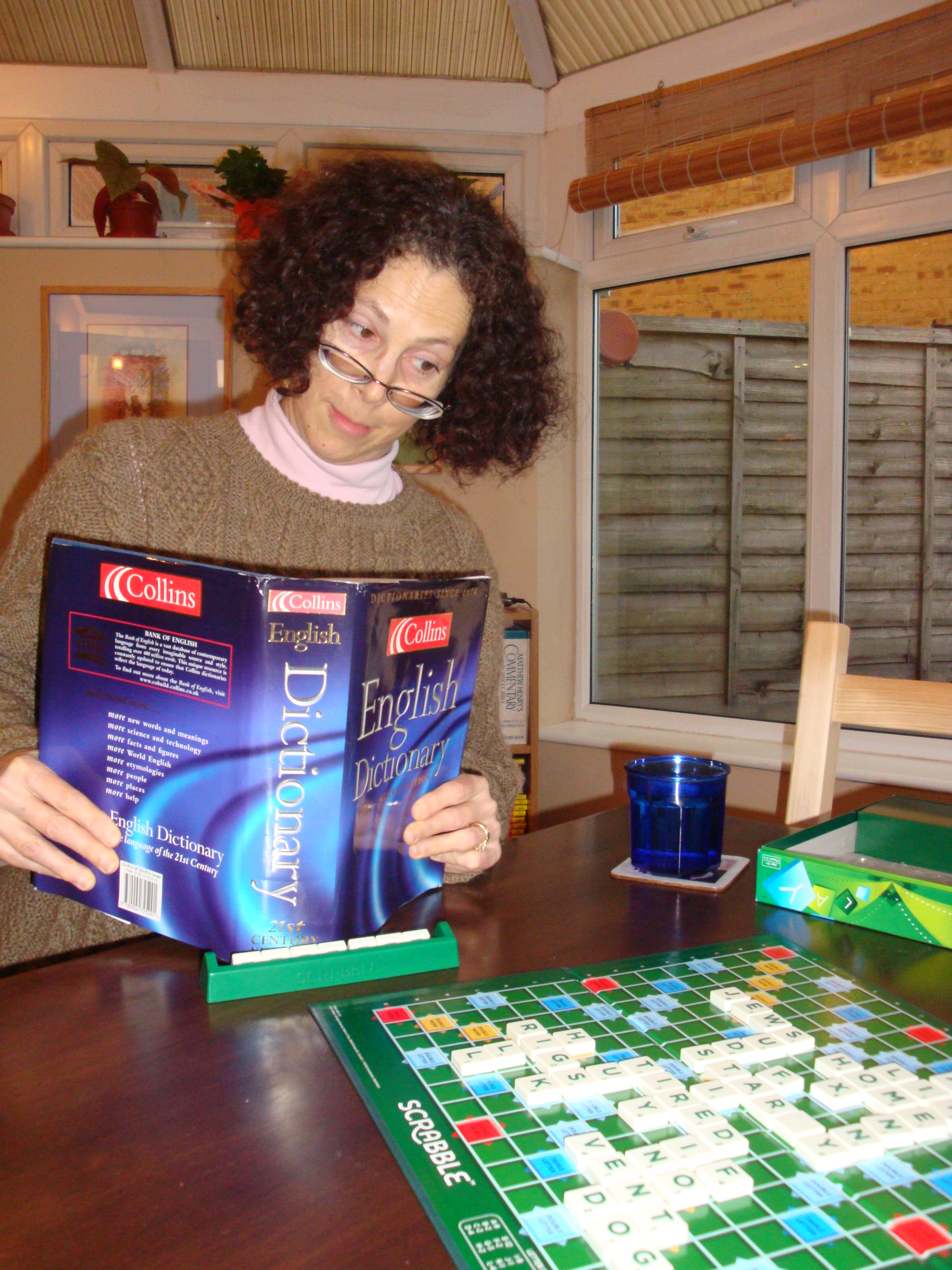
English can be a beautiful language. There is a grandeur and majesty when it is spoken and written well which has inspired people through the ages. The speeches and soliloquies of Shakespeare’s plays can still send a shiver of excitement down a listener’s spine – over four hundred years after they were written. However, when a good language goes bad, to paraphrase a well-known nursery rhyme, it is horrid. Continue reading

Treasures from Home

DSC00798

Last evening my husband and I arrived home to discover a notice had been shoved through our mail slot advising us that we had a box waiting for us at the village post office. Such excitement! Such joy! I am, of course, talking only about my reaction. My husband took the impending arrival of the box of goodies from “home” in stride. Husbands can be slightly aggravating that way, I have found. A box full of treasures has arrived a full five days before the post office in the US estimated it would, and all he can say is, “They always do come more quickly from that direction.”

The thing is, he knows what is in the box. So do I, for that matter. For him, sensible man that he is, that means there is no surprise or mystery about this package waiting for us at the post office, and therefore no glamour or excitement. When it comes he will be happy, but in the meantime there is no reason to get all worked up about it. We were expecting it. It has arrived safely. Well done. Now what’s for dinner? I, on the other hand, would like to spend several minutes at least discussing the box and the contents all over again, talking about how exciting it will be to open it, speculating again on how much my mother and step-dad must have paid to ship it here (a lot, I’m sure), and in general building myself up into such a state of anticipation as to be nearly impossible to live with. Continue reading

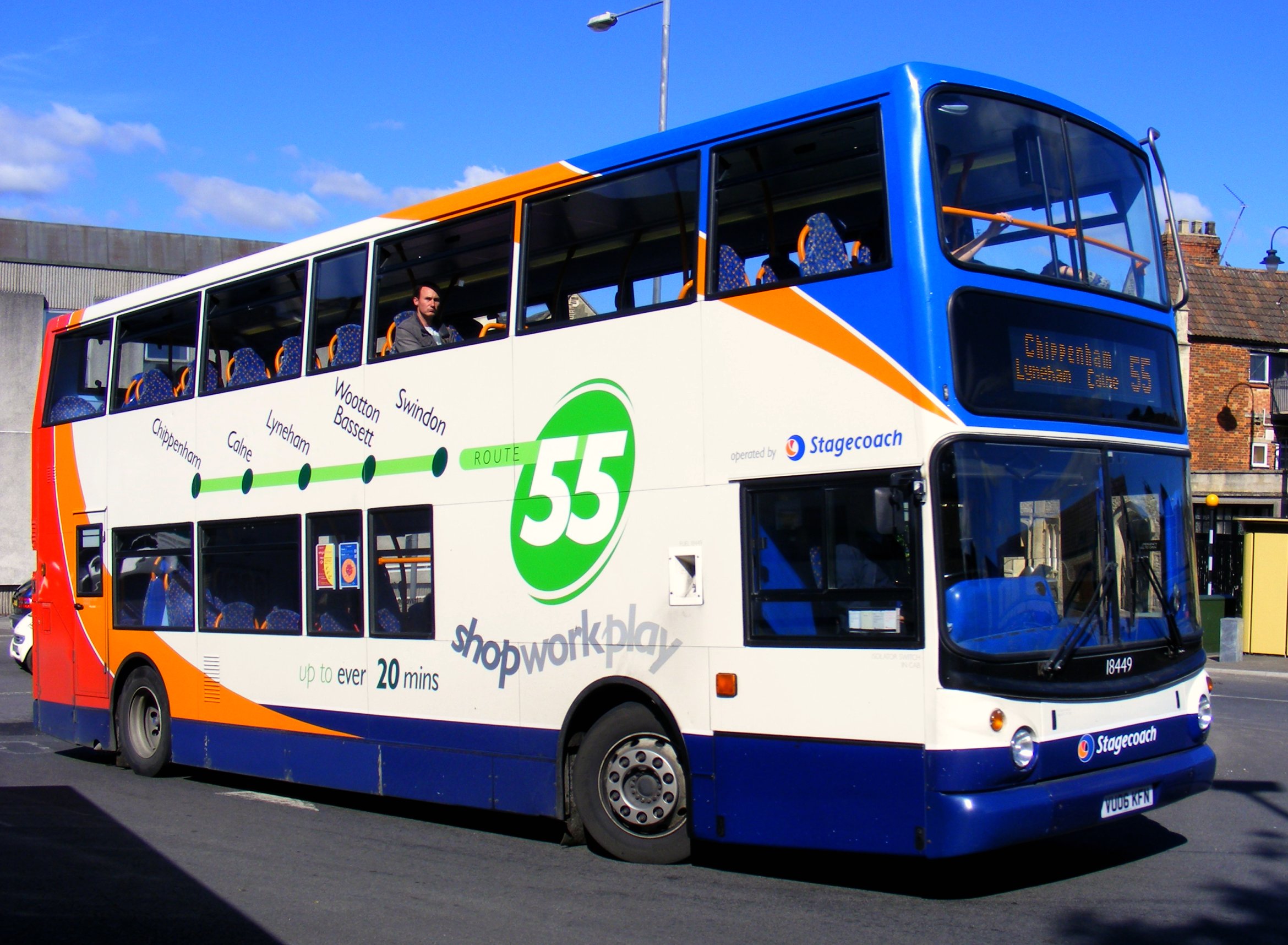
Riding the Bus

Image

The medium-sized city where I used to live had excellent bus service…or so my husband has told me. I have to take his word for it because in the twenty-one years I lived in that area I never stepped foot inside a single one of the city busses. I’m your typical American. I had a nice, shiny car with a heater that blasted heat in the winter, an air conditioner that blasted frigid air in the summer, and a stereo at my fingertips that blasted whatever kind of music I wanted blasted, whenever. Why would I ride the bus when I could travel everywhere in splendid, comfortable isolation? Continue reading

The National Trust

Oh, to be in England now that January’s there!

 The correct line from Robert Browning’s famous, oft-quoted poem is actually, “Oh, to be in England now that April’s there.” Perhaps Mr Browning was more than happy to be far away from this part of the world during the dark, rainy months of winter, but for those of us for whom spending the winter in Italy is not an option the shorter days and colder temperatures do not stop us from enjoying many of the wonders that the U.K. has to offer. A large proportion of those wonders are all covered under the umbrella that is the National Trust. Continue reading

Weather

It rained and it rained and it rained. Piglet told himself that never in all his life, and he was how old – three, was it, or four? – never had he seen so much rain. Days and days and days.

“If only,” he thought, as he looked out of the window, “I had been in Pooh’s house, or Christopher Robin’s house, or Rabbit’s house when it began to rain, then I should have had Company all this time, instead of being here all alone, with nothing to do except wonder when it will stop.” And he imagined himself with Pooh, saying, “Did you ever see such rain, Pooh?” and Pooh saying, “Isn’t it awful, Piglet?” and Piglet saying, “I wonder how it is over Christopher Robin’s way” and Pooh saying, “I should think poor old Rabbit is about flooded out by this time.” It would have been jolly to talk like this, and really, it wasn’t much good having anything exciting like floods, if you couldn’t share them with somebody.

This excerpt from Piglet Is Entirely Surrounded by Water by A.A. Milne is proof that in Britain even the fictional characters spend a great deal of time thinking about, and talking about, the weather. And why shouldn’t they? For such a relatively small country the U.K. has an abundance of weather. Continue reading